Are you facing Rent Negotiations 2026 in Sweden? This article provides property owners with an in-depth look at upcoming guidelines and effective strategies for navigating the Swedish rental market, ensuring fair rent setting, and maintaining good relationships with your tenants through Bofrid.
What Do Rent Negotiations 2026 Mean for Property Owners in Sweden?
Rent Negotiations 2026 will be a central part of property owners' operations and strategic planning in Sweden. Each year, rents are adjusted to reflect changes in the economy, operating costs, and market value. For 2026, these negotiations are expected to be characterized by a continued effort to balance tenants' housing costs and property owners' need to cover their expenses and generate a reasonable return. This is particularly relevant in a landscape where inflation, interest rates, and energy prices have fluctuated significantly in Sweden over recent years. Property owners therefore need to be well-prepared with a clear strategy and solid knowledge of current Swedish legislation and practices.
The fundamental principles for rent negotiations in Sweden are governed by the Swedish Rent Act (hyreslagen) and precedents from the Rent Tribunal (Hyresnämnden). According to the law, the rent must be reasonable (skälig), meaning it cannot be significantly higher than the rent for apartments with comparable utility value (bruksvärde). The utility value is assessed based on factors such as the apartment's size, standard, location, layout, and access to services. Negotiations usually take place collectively between the property owner and the Swedish Tenants' Association (Hyresgästföreningen), which represents the tenants. Having clear dialogue and transparency in the process is crucial to avoid conflicts and reach an agreement that both parties can accept. Property owners must be able to present solid documentation that justifies the proposed rent adjustment, which may include cost increases for operation, maintenance, interest, and taxes. A proactive approach where tenants are informed early about the economic realities can also contribute to a smoother negotiation process in Sweden.
Bofrid, as a secure rental platform, can facilitate this process by offering tools and information that help property owners prepare. By gathering all relevant information about tenants, agreements, and property data in one place, property owners can easily get an overview of their portfolio and the factors affecting rent setting. The goal of Rent Negotiations 2026 in Sweden is to achieve a sustainable rent level that reflects the market and the property's value, while tenants perceive the rent as fair and reasonable. This requires a good understanding of both the legal frameworks and the economic realities affecting both landlords and tenants in Sweden.
How to Best Prepare for Rent Negotiations 2026 in Sweden?
Thorough preparation is key to successful Rent Negotiations 2026 in Sweden. This involves collecting and analyzing data, understanding the legislation, and developing a clear negotiation strategy. The first step is to carefully review the property's finances. This means mapping out all operating costs, including heating, water, waste management, electricity, insurance, property tax, and ongoing maintenance. Compare these costs with previous years to identify trends and justify any increases. It is also important to consider capital costs, such as loan interest and amortization, as these often constitute a significant part of a property owner's expenses in Sweden. A detailed compilation of these costs will be an indispensable basis for the negotiations.
In addition to the pure costs, it is important to keep track of the property's condition and any investments made. Have you carried out major renovations, energy efficiency improvements, or upgrades that increase the quality of living? Such measures can justify a higher rent, provided they have added increased utility value for the tenants. Document all investments carefully with receipts and descriptions of the work performed. Being able to show how the property has developed and improved can be a strong negotiation point. Property owners in Sweden should also investigate rent levels for comparable apartments in the same area. This provides an indication of what is considered a reasonable rent on the market and can be used as comparative material during negotiations.
Another important aspect is to understand the Tenants' Association's position and the arguments they are likely to put forward. By anticipating their objections, you can prepare counterarguments and solutions in advance. Open communication with tenants, even before formal negotiations begin, can also be beneficial. Inform them about the economic conditions and why a rent adjustment may be necessary. Bofrid can play a role here by offering a platform for transparent communication and documentation. Having all agreements and correspondence collected digitally facilitates the process and ensures that all information is easily accessible when needed. Preparation for Rent Negotiations 2026 in Sweden is about being proactive, well-informed, and strategic to achieve a result that is both economically sustainable and socially accepted.
What Guidelines Apply to Rent Negotiations 2026 in Sweden?
The guidelines for Rent Negotiations 2026 in Sweden will largely follow the established principles in the Swedish Rent Act and the practice developed through the decisions of the Rent Tribunal and courts. Central to this is the utility value principle (bruksvärdesprincipen), which means that the rent for an apartment cannot be significantly higher than the rent for apartments that are comparable in terms of utility value. The utility value is assessed based on a range of factors that include the apartment's size, standard, location, layout, kitchen and bathroom equipment, and access to common areas such as laundry rooms, storage units, and elevators. The general condition of the property and services offered to tenants, such as property management and waste collection, are also weighed into the assessment in Sweden.
For the rent adjustment proposed by the property owner to be considered reasonable, it must be justifiable based on economic changes affecting the property's operation. These changes may include increased costs for maintenance, repairs, property tax, insurance, interest rates, and costs for heating and water. It is important that the property owner can present detailed documentation for these cost increases. The Tenants' Association, as a representative of the tenants in Sweden, will carefully review this documentation and compare it with the cost development of similar properties. Transparency and meticulous documentation are therefore crucial.
Another important guideline is that negotiations should take place in good faith and with the aim of reaching a voluntary agreement. If the parties cannot agree, the matter can be referred to the Rent Tribunal for mediation or decision. The Rent Tribunal will then make its own assessment of the reasonable rent based on the utility value principle and the documentation presented by both parties. It is also important to remember that there is a requirement for the property owner to inform tenants of the proposed rent increase well in advance before the new rent is to take effect. Typically, this should be done at least three months beforehand. Bofrid facilitates the management of these agreements and information flows, helping property owners fulfill their obligations and creating a more secure process for all parties involved in Rent Negotiations 2026 in Sweden. Adhering to these guidelines meticulously is crucial to avoid legal disputes and maintain good relationships with tenants.
What Strategies Are Effective for Rent Negotiations 2026 in Sweden?
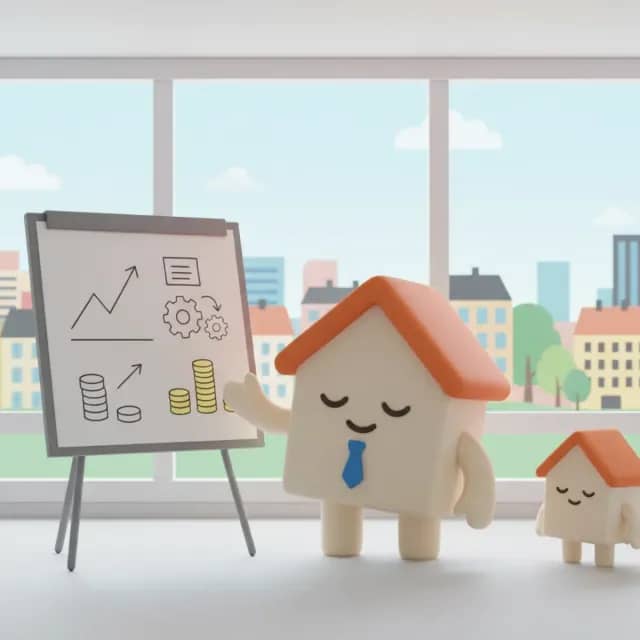
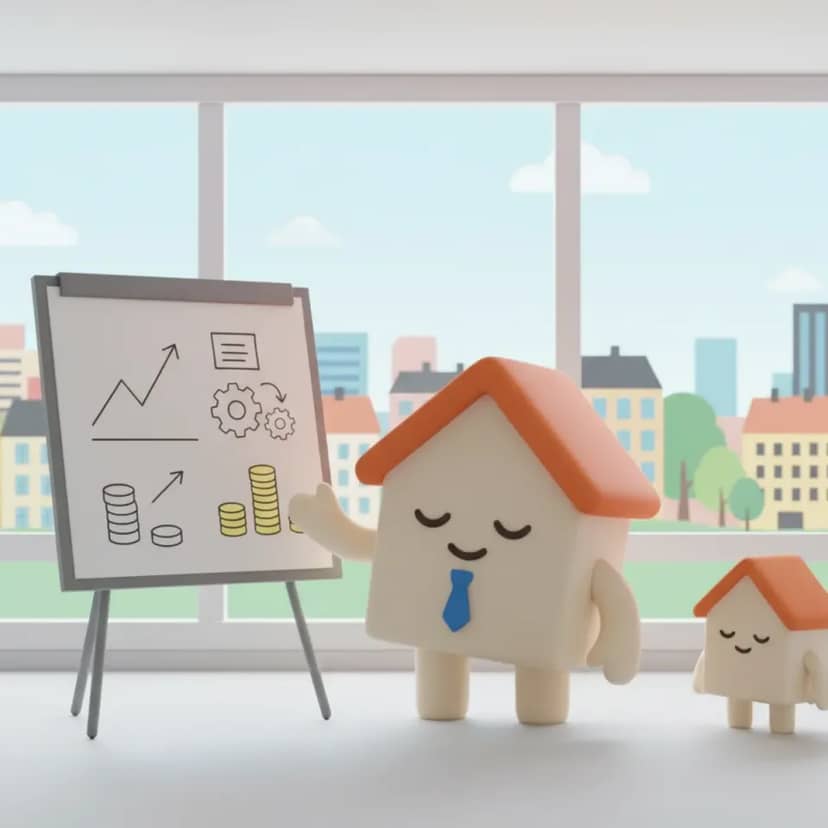
To succeed with Rent Negotiations 2026, property owners in Sweden need to implement effective strategies based on transparency, data, and good communication. A central strategy is to build a strong foundation. This means not only collecting cost data but also being able to present it clearly and pedagogically. Use graphs and diagrams to visualize cost development and show how various factors, such as inflation and interest rates, affect the property's economy. Explain how a rent adjustment is necessary to cover increased operating costs and maintain the property's standard. Being able to demonstrate that the rent is reasonable in relation to comparable apartments in the area is also a strong negotiation position in Sweden.
Another effective strategy is to be proactive in communication. Instead of waiting until the last minute to present a rent increase, it can be beneficial to inform tenants and the Tenants' Association about economic challenges at an early stage. Explain the background to any potential rent adjustments and invite open dialogue. This can reduce resistance and create a greater understanding of the property owner's situation. It may also be wise to offer alternatives or compromises, if possible, to show flexibility. For example, one could discuss a smaller initial increase with the possibility of further adjustment later, if economic conditions change.
Furthermore, it is important to have a clear negotiation line but also be prepared to compromise. Set a realistic target for the rent increase, but also be aware of your "walk-away" point, i.e., the lowest acceptable rent level. Always keep in mind that good relationships with tenants are valuable in the long run. Conflicts and disputes can be time-consuming and costly, which is why an agreement that both parties can accept is often preferable. Use Bofrid to centralize all documentation and communication. This ensures that you have access to all relevant information during negotiations and that all parties have a clear picture of what has been communicated. By combining these strategies, property owners in Sweden can navigate Rent Negotiations 2026 with greater success and maintain a sustainable business.
Why Are Transparency and Documentation Crucial in Rent Negotiations in Sweden?
Transparency and thorough documentation are not only important for successful Rent Negotiations 2026 in Sweden but also for building and maintaining trust between property owners and tenants. When the property owner can present clear and verifiable evidence for cost increases, the risk of suspicions about arbitrary rent increases decreases. By openly explaining why a rent adjustment is necessary, for example, due to increased operating costs for heating, water, or property tax, an understanding is created that is fundamental to constructive dialogue. A lack of transparency can lead to mistrust, prolonged negotiations, and in the worst case, disputes that end up in the Rent Tribunal, which is both time-consuming and costly for all parties involved in Sweden.
Documentation forms the backbone of every rent negotiation. It involves systematically collecting and archiving all relevant information: historical cost data, receipts for maintenance and renovations, data on energy consumption, insurance premiums, and property taxes. Furthermore, it is important to document all communication, including meeting minutes, email correspondence, and written agreements. This documentation serves as evidence for the property owner's arguments and is indispensable if negotiations lead to a dispute. Well-organized documentation demonstrates professionalism and seriousness in the property owner's actions, which can positively influence the assessment of the Tenants' Association and the Rent Tribunal in Sweden.
Bofrid offers an optimal solution for managing this documentation. By using Bofrid's platform, property owners can easily upload and organize all relevant documents digitally. This ensures that information is easily accessible, secure, and traceable. The platform can also facilitate transparent communication with tenants by providing a channel for sharing information and answering questions. When tenants feel informed and see that the property owner is acting transparently, the likelihood of them accepting a rent adjustment without significant resistance increases. An open and well-documented process helps build long-term relationships based on trust, which is an invaluable asset for every property owner facing Rent Negotiations 2026 and beyond in Sweden.
What Role Does Bofrid Play in Facilitating Rent Negotiations 2026 in Sweden?
Bofrid plays a crucial role in facilitating Rent Negotiations 2026 for property owners in Sweden by providing a secure and efficient platform for managing all aspects related to rental relationships. One of its primary functions is to gather all relevant information in one place. Through Bofrid, property owners can easily organize and gain an overview of rental agreements, tenant data, property information, and, crucially, financial documentation that is critical during negotiations. By having all this data readily available and structured, property owners can quickly retrieve the figures and arguments needed to justify a rent adjustment. This saves time and reduces the risk of errors or misunderstandings in Sweden.
The platform also facilitates transparent communication between property owners and tenants. Ahead of Rent Negotiations 2026 in Sweden, it is important to be able to inform tenants about upcoming adjustments and the reasons behind them. Bofrid offers tools to send messages and information to all tenants in a secure and traceable manner. This open communication helps build trust and reduce potential resistance to rent increases. When tenants receive clear and timely information, they feel more involved and understanding of the situation. Furthermore, the platform can serve as a channel for tenants to ask questions, giving the property owner the opportunity to respond proactively and prevent small issues from escalating into larger conflicts.
Bofrid also handles the financial aspect of the rental relationship by acting as an intermediary for deposits and rent payments. This function provides additional security for both the landlord and the tenant, as all transactions are secure and traceable. During rent negotiations, Bofrid's system for financial overview can be of great help in presenting historical rent levels and showing how costs have developed over time in Sweden. Finally, Bofrid helps ensure that all agreements and understandings are legally correct and updated according to current Swedish legislation. By using Bofrid's services, property owners can streamline their administration, strengthen their negotiation positions, and maintain good relationships with their tenants before and during Rent Negotiations 2026 in Sweden. The platform creates a secure and structured environment that benefits all parties.
Frequently Asked Questions for Expats in Sweden
How often can a property owner raise the rent in Sweden?
According to Swedish rental law, rent can be adjusted once a year. Negotiations usually take place collectively with the Swedish Tenants' Association. If the parties cannot agree, the matter can be referred to the Rent Tribunal (Hyresnämnden). It is important that the proposed rent increase is reasonable and can be justified based on the property's utility value and cost development in Sweden.
What is the utility value principle (bruksvärdesprincipen) and how does it affect Rent Negotiations 2026 in Sweden?
The utility value principle means that the rent must not be significantly higher than the rent for apartments that are comparable in terms of utility value. Factors affecting utility value in Sweden include the apartment's size, standard, location, layout, equipment, and access to common areas and services. For Rent Negotiations 2026, it is crucial to be able to demonstrate how the property's utility value compares to other similar properties.
What costs can justify a rent increase for properties in Sweden?
A rent increase can be justified by increased operating costs, such as costs for heating, water, waste management, electricity, insurance, property tax, interest rates, and ongoing maintenance and repairs in Sweden. Investments that elevate the property's standard and utility value can also form the basis for a rent adjustment. However, everything must be meticulously documented.
As a property owner in Sweden, how can I best communicate with my tenants during the negotiation process?
Open and transparent communication is key for expats living in Sweden. Inform tenants well in advance about the economic conditions and why a rent adjustment may be necessary. Use platforms like Bofrid to send out information and answer questions in a structured and traceable manner. Proactive dialogue reduces the risk of misunderstandings and conflicts for property owners in Sweden.
What happens if the property owner and the Tenants' Association in Sweden do not reach an agreement?
If the property owner and the Swedish Tenants' Association cannot agree on a rent adjustment, either party can refer the matter to the Rent Tribunal (Hyresnämnden). The Rent Tribunal will then mediate between the parties and, if no agreement is reached, make a decision on the reasonable rent based on the utility value principle and the documentation presented by both parties in Sweden.
How can Bofrid help with documentation for Rent Negotiations 2026 in Sweden?
Bofrid offers a digital platform where property owners in Sweden can gather and organize all relevant documentation, such as rental agreements, financial records, maintenance receipts, and communication with tenants. This ensures that all information is easily accessible, secure, and traceable, which is crucial for building a strong negotiation foundation and facilitating the process for Rent Negotiations 2026 in Sweden.